

The Backyard Is Becoming the New Living Room: Why Natural Stone Is Shaping Australian Pool Design
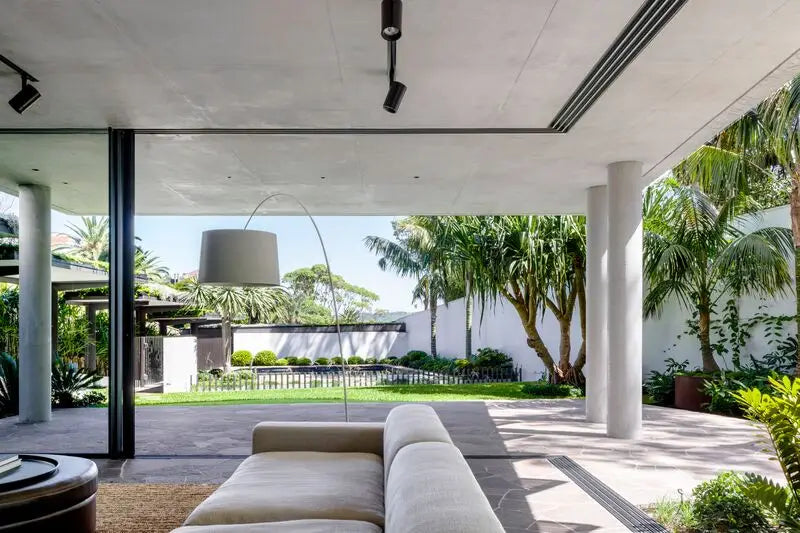
Australian homeowners are increasingly treating the backyard as an extension of the home, with modern pool coping and natural materials such as travertine helping create outdoor spaces that feel as considered and comfortable as their interiors. Pools, entertaining areas, gardens and terraces are being designed with greater attention to material, texture and atmosphere, creating a more seamless connection between architecture and the outdoors.
RMS Traders, an Australian natural stone supplier with more than four decades of experience, is among the businesses responding to this changing approach with an extensive collection of natural stone products for residential and commercial applications.
A New Approach to Outdoor Living
The traditional backyard often separated the house from the garden. A pool was a recreational feature, outdoor furniture was positioned around it and landscaping filled the remaining spaces.
Today's approach is more integrated.
Outdoor kitchens, lounges, dining areas, landscaped courtyards and swimming pools are increasingly planned as connected environments. Materials therefore have an important role in making these areas feel like part of the same home.
Natural stone is particularly suited to this idea because it can introduce continuity across different areas. A stone used around a pool can complement paving, pathways, garden features and even interior materials.
The result is less about creating a "pool area" and more about creating an outdoor living environment.
Why Pool Coping Has Become a Design Feature
Pool coping has an obvious practical purpose. It forms the edge of a swimming pool and helps create a transition between the pool structure and surrounding surface.
But its visual role has become increasingly important.
The profile, colour, texture and finish of the coping can influence the entire appearance of a pool. A sharp, contemporary edge can reinforce a minimalist architectural design, while a softer, naturally textured stone can create a more relaxed atmosphere.
This has made modern pool coping an increasingly important consideration when planning a contemporary outdoor space.
RMS Traders offers pool coping in a range of natural stone materials and edge profiles, including square-edge, bull-nose, rebated and grande square-edge options. Its collection includes materials such as travertine, limestone, bluestone, granite and marble.
Rather than selecting coping as an afterthought, designers can use it as part of the broader material palette from the beginning.
Travertine Brings Warmth to Contemporary Pools
One of the most noticeable developments in contemporary outdoor design has been the move away from cold, highly uniform surfaces towards warmer natural materials.
This is where travertine has become particularly relevant.
Its soft cream, beige and earthy tones can work comfortably alongside greenery, timber, rendered walls and modern architecture. Its natural variation also prevents large paved areas from appearing overly uniform.
RMS Traders' Tuscan Travertine, for example, features soft creamy tones and an unfilled, honed finish. The company lists the material for applications including pool surrounds, flooring, paving, wall cladding and outdoor entertaining areas.
The material is also available in pool-coping formats, including larger 610 x 406mm options, giving designers flexibility when creating a continuous pool surround.
For homeowners seeking a softer alternative to stark concrete or highly polished surfaces, this natural variation can help create an outdoor environment that feels more relaxed and connected to its surroundings.
From Pool Surround to Outdoor Interior
The growing popularity of outdoor living is also changing how materials are selected.
When an outdoor entertaining area is designed as an extension of the interior, the distinction between indoor and outdoor finishes becomes less rigid.
Travertine can contribute to this continuity because it is suitable for a range of interior and exterior applications. The same material family can potentially appear in an indoor area and continue through to an alfresco space or pool surround, creating a visual relationship between the two.
This approach can be particularly effective in homes with large openings connecting kitchens and living rooms to outdoor entertaining areas.
Instead of creating a sharp visual break at the doorway, complementary materials allow the transition to feel more natural.
Natural Variation Is Part of the Appeal
The growing interest in natural stone is also connected to a wider design preference for materials that feel authentic.
Manufactured surfaces can offer impressive consistency, but natural stone provides something different: variation.
Travertine develops its appearance through a natural geological process, creating characteristic pores, tonal changes and subtle movement. Individual pieces therefore have their own visual qualities.
That variation can be particularly effective in large outdoor spaces, where a completely uniform surface might feel overly manufactured.
For designers, the challenge is not to eliminate those differences but to work with them.
The placement of individual pieces, the choice of grout, the direction of the stone and the relationship between different finishes can all influence the final result.
Designing Around the Landscape
A pool should rarely be considered independently from the garden around it.
Planting, retaining walls, outdoor furniture, fencing and architectural materials all contribute to how the finished space feels.
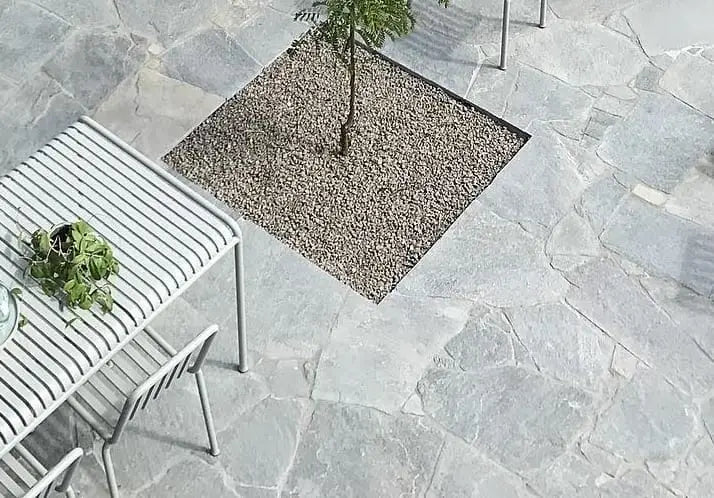
Natural stone can help bridge these elements because its colours and textures are drawn from the natural environment.
A warm travertine can sit comfortably alongside Mediterranean planting, while cooler grey stones can complement contemporary gardens and darker architectural finishes.
This flexibility means natural stone does not necessarily dictate a particular design style. Instead, it can adapt to the character of the property.
RMS Traders' wider collection includes travertine in multiple formats, including pavers, tiles, coping and stepping stones, allowing different applications to be considered within the same overall design.
What Homeowners Should Consider Before Choosing Pool Stone
While visual appeal is an important part of selecting a pool material, it should not be the only consideration.
Homeowners should think about how the surface will be used, how it will respond to outdoor conditions, the desired slip resistance, maintenance requirements and the appropriate installation and sealing process.
RMS Traders provides installation and stone-cleaning and sealing resources for its travertine products, giving customers information to consider alongside the aesthetic qualities of the material.
It is also worth viewing physical samples wherever possible. Natural stone can appear different under direct sunlight, shade and artificial lighting, and its inherent variation is often much easier to appreciate in person.
A More Natural Direction for Australian Backyards
The growing interest in natural materials suggests that outdoor design is moving towards something more considered.
Instead of simply adding features to a backyard, homeowners are increasingly creating complete environments where architecture, landscaping, furniture, water and materials work together.
Pool coping may be a relatively small element within that larger picture, but its position makes it visually significant. The right stone can frame the water, connect the pool with its surroundings and help establish the character of the entire outdoor area.
For RMS Traders, the continued interest in materials such as travertine and natural stone pool coping reflects a broader movement towards warmer, more tactile and enduring outdoor spaces.
As Australian backyards continue to evolve into genuine extensions of the home, the materials used to build them are becoming part of the experience, not simply the surface beneath it.

Leave a comment